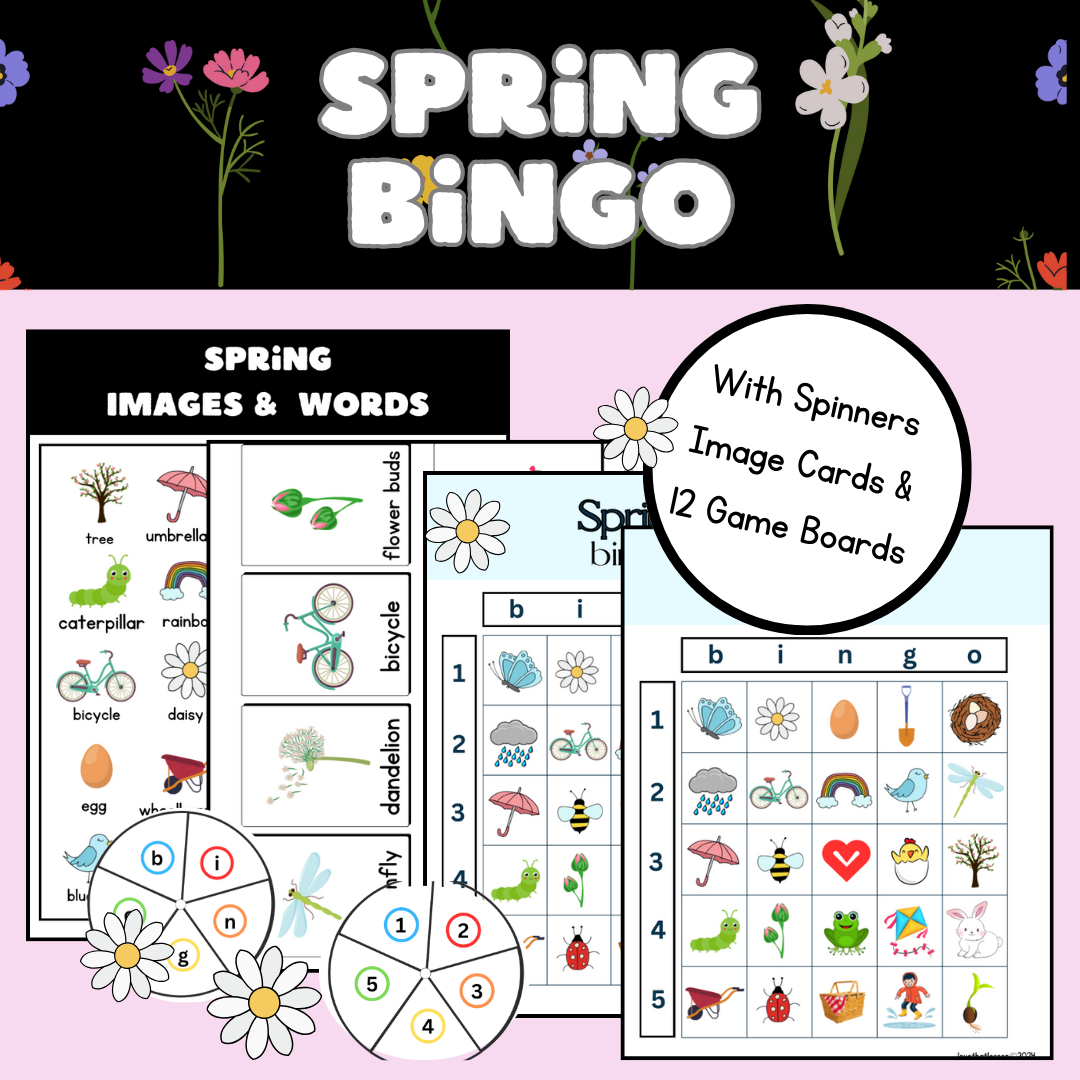
For kids, play isn’t just a break from learning—it is learning. Research shows that play-based activities help young learners absorb new information more naturally because they’re engaged, relaxed, and willing to take risks. When learning feels like play, students are more open to experimenting with new words and trying out language skills.


With this is mind, we’ve created BINGO games to support speaking, listening, and vocabulary acquisition. The kids LOVE Bingo, and we’ve seen so much benefit to their use; especially as content specific entry activities.

Here’s why play with bingo games work so well in classrooms:
- Engaging Vocabulary Practice: Winter Bingo introduces words like “snowman,” “scarf,” and “coat,” while School Words Bingo covers everyday school terms such as “backpack,” “pencil,” and “desk.” By hearing these words in context and seeing them on colorful cards, students make meaningful connections, reinforcing their understanding.
- Listening Skills and Focus: Bingo requires active listening, essential for language development. When students listen for words, they’re honing pronunciation and comprehension. They must pay attention, recognize each word, and locate it on their bingo board, making it an active learning experience.
- Building Speaking Confidence: Bingo also encourages students to speak. When a student wins, they can practice saying phrases like “I have bingo!” or name the words they’ve matched. Teachers can extend the game by asking students to create sentences with the words they’ve marked, adding an extra layer of language practice.
- Fun Classroom Activity: Bingo brings excitement to vocabulary practice, helping to ease any pressure ESL students might feel. This low-stakes environment encourages participation and helps students feel comfortable taking language risks.
- Following Directions: Following directions is a skill that young learners need to practice. In a love stakes environment like Bingo, kids don’t even realize that they’re involved in learning.
Ms. Martha