One of my biggest realizations as a first-year ESL teacher was how uncomfortable my students felt hearing themselves speak English in academic settings. During our thirty-minute pull-out sessions, they participated eagerly and rarely hesitated to speak. But when I reviewed their ACCESS test results at the end of the year, I noticed a clear pattern; speaking scores were consistently lower than the other domains across all grade levels, K–5. This surprised me and made me wonder why this domain was so much more difficult for students to show their knoweldge. I knew that one of my goals for the following year would be to help my students build confidence, not only in speaking English, but in comfortably hearing themselves use it.
Tools Not Toys
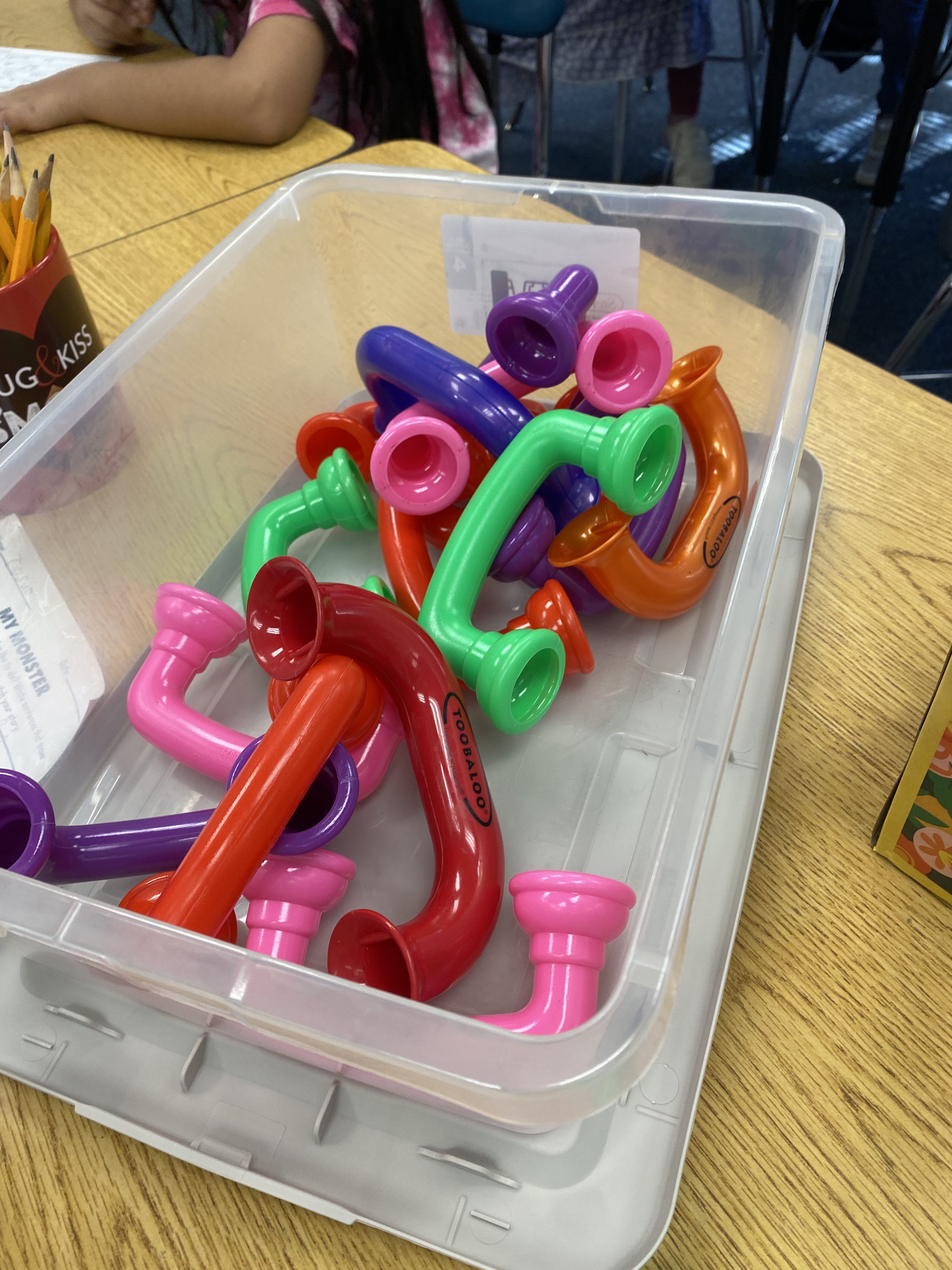
When I first settled into my classroom, I’d found a box of colorful plastic telephone receivers hiding on a shelf. Commonly used as a speech therapy tool and sold as “reading whisper tools”, they looked fun and full of potential. I showed them to my students who, at first, giggled and played with them. But when I invited them to use them as a part of our lessons, they were hesitant. I put them away, and forgot about them until year two. It was time to find a way to use the phones strategically.

Intentional Guided Speaking Practice
Year two, I began to intentionally plan speaking practice, incorporating it more thoughtfully with the other three domains. With my Kindergarten through second grade students, I began the year by modeling how to use the phones as tools, and not toys. We practiced using soft voices, since yelling into the receivers could hurt their ears. The reverberation from those little plastic phones was surprisingly strong, so learning to use them correctly was lesson number one.
Next, I gave students practice sheets with letter names and sounds; skills they already felt confident in. This made the phones less intimidating and the activity feel comfortable and safe. Over time, I introduced short fluency phrases and passages. As their confidence grew, I encouraged them to read their own writing into the phones. One day, I looked up from my kidney table, and watched all six of my first graders reading into their phones, quietly and with purpose. I was thrilled, and proud.

Observed Growth
Hearing their own words changed everything. Students began noticing where their sentences needed adjusting, adding missing words, and improving the flow of their ideas. What started as a simple reading tool evolved into a meaningful way to build strength in all areas of language; reading, writing, speaking, and listening.
The success in getting the “littles” to speak was a lot easier than it was for my third through fifth graders. For the older students, the phones felt too childish, and the social pressure of feeling silly got in the way of learning.
So, I switched gears. I invited them to bring their Chromebooks to class and introduced Vocaroo, a voice recording website where they could hear themselves speak. We started simply; playing around with short phrases to get comfortable using the tool. Before long, we transitioned to reading passages from books of their choice.

Just as I had seen with my first graders, the older students became more engaged once they took ownership of their speaking practice. They were still nervous about others hearing them, so I let them spread out around the room for privacy. The result was remarkable, with focused, confident learners fully immersed in improving their own speaking skills.

Using Canvas for Speaking and Listening Practice
Canvas, the online platform used by my district, was the next line of defense for my older students to practice their own. By creating courses for each grade level, I was able to to add lessons where students could record themselves reading a passage of my choice, and submit it to me for review. The engagement has been unreal, and the enthusiasm for participation has been exciting.

Helping students become comfortable hearing their own voices has been one of the most rewarding parts of my ESL teaching practice. Whether through playful tools like plastic phones or digital platforms like Vocaroo, the goal remains the same… to build confidence, promote self-awareness, and empower multilingual learners to take pride in their speaking skills. I’ll report back when we get those ACCESS results returned in May, but I’m sure the numbers will reflect what I’m seeing, and feeling, in class,